
Tag: How to Create a Legally Valid Marriage Contract in Ontario
What is a Marriage Contract and Who Needs One in Ontario?
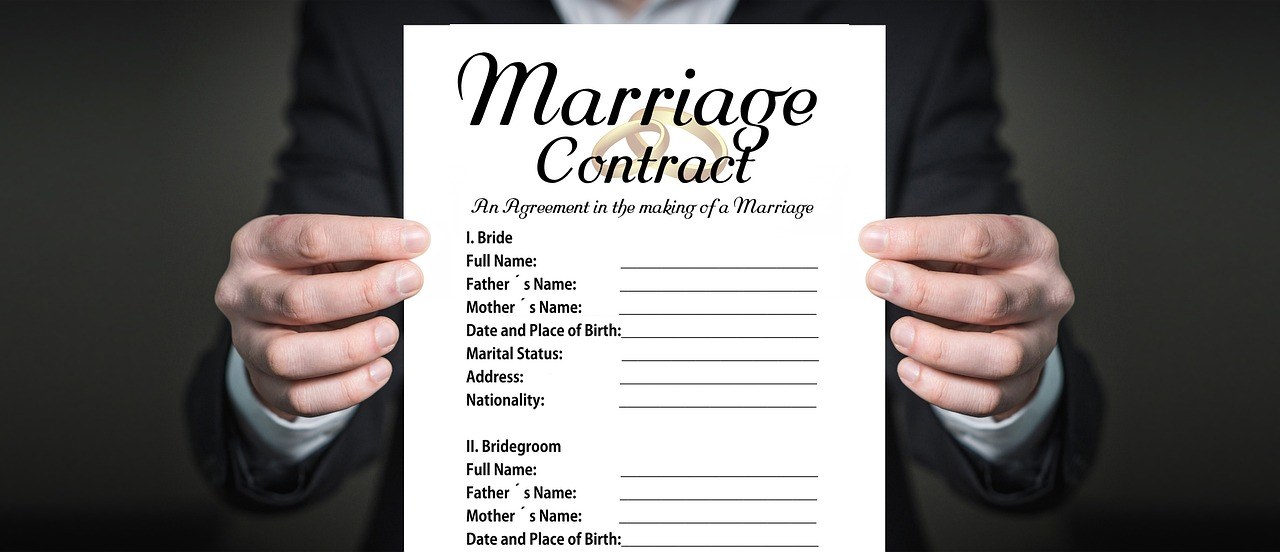
When Can You Create a Marriage Contract?
Before Marriage (Prenuptial Agreement)
A prenuptial agreement is a type of marriage contract that is signed before a couple gets married. In Ontario, this type of agreement allows partners to decide in advance how to divide property, debts, and other financial matters in the event of separation or divorce.
Why Consider a Prenuptial Agreement?
- Protect Individual Assets: If one partner has significant assets (e.g., real estate, investments, a business), a prenup can help protect these assets.
- Clarify Financial Roles: A prenup sets clear expectations about financial responsibilities during the marriage.
- Debt Protection: It can outline who will be responsible for debts acquired before or during the marriage.
- Second Marriages: Those entering a second marriage may want to protect assets for children from a previous relationship.
Important Considerations:
- Full Financial Disclosure: Both parties must fully disclose their assets, debts, and income for the agreement to be valid.
- Independent Legal Advice: Each partner should consult their own Ontario family lawyer to ensure the contract is fair and legally binding.
- Cannot Address Child Custody/Support: Under Ontario law, prenuptial agreements cannot dictate child custody or child support arrangements.
During Marriage (Postnuptial Agreement)
A postnuptial agreement is a marriage contract created after the couple is already married. While similar to a prenuptial agreement in terms of content, it is established during the marriage rather than before.
Why Consider a Postnuptial Agreement?
- Change in Circumstances: If there are significant changes in financial circumstances (e.g., inheritance, starting a business), a postnuptial agreement can help protect those assets.
- Debt Management: One partner may incur substantial debt, and the couple may want to clarify who is responsible for it.
- Marital Issues: Couples experiencing marital challenges might use a postnuptial agreement to resolve financial concerns and strengthen the relationship.
- Protecting Children’s Inheritance: For couples with children from previous relationships, a postnuptial agreement can protect inheritances.
Important Considerations:
- Fairness and Transparency: Both parties must be transparent about their financial situation and agree to fair terms.
- Mutual Consent: A postnuptial agreement must be entered into voluntarily by both spouses.
- Legal Validity: To ensure enforceability, each spouse should seek independent legal advice.
What Can a Marriage Contract Cover in Ontario?
Division of Property and Assets
A marriage contract can clearly define how property, real estate, and investments will be divided if the marriage ends. This can help avoid disputes and ensure each partner’s assets are protected.
Examples of Property and Assets Covered:
- Personal Property: Items such as jewellery, vehicles, or collectibles can be specified as belonging to one partner.
- Real Estate: Ownership of homes, cottages, or other real estate can be protected.
- Investments: Stocks, bonds, RRSPs, and other investments can be designated for individual ownership.
- Business Interests: If one partner owns a business, the contract can outline how the business assets will be handled.
Spousal Support Terms
A marriage contract can outline whether spousal support (alimony) will be paid in the event of a separation or divorce. It can also specify the amount, duration, and conditions under which support will be paid.
Key Considerations for Spousal Support:
- Waiving Support: Couples can agree to waive spousal support entirely.
- Fixed Amounts: Define a fixed amount of support to be paid, regardless of future changes in income.
- Conditions: Specify conditions that would trigger or end spousal support (e.g., remarriage of the recipient).
Debt Responsibility
A marriage contract can clarify how debts will be managed if the relationship ends. This is particularly useful when one partner enters the marriage with significant debt or if new debts are incurred during the marriage.
Examples of Debt Clauses:
- Pre-Marriage Debts: Each partner may remain responsible for debts they brought into the marriage.
- Joint Debts: Outline how joint debts, such as mortgages or loans, will be divided.
- Debt Protection: Protect one partner from being liable for the other partner’s individual debts.
Exclusions
While a marriage contract can cover many financial aspects of a relationship, there are certain matters it cannot address under Ontario law:
- Child Custody: Decisions regarding child custody and access cannot be predetermined in a marriage contract.
- Child Support: Child support obligations are determined based on the Child Support Guidelines and cannot be waived or defined in a marriage contract.
- Unfair or Illegal Terms: Any provisions that are deemed unfair, coercive, or against public policy will not be enforceable.
Who Needs a Marriage Contract in Ontario?
- Individuals with Significant Assets
If you have substantial wealth, real estate, investments, or valuable personal property, a marriage contract can help ensure these assets are protected in the event of a separation or divorce.
- Business Owners or Entrepreneurs
Owning a business or being involved in partnerships makes it essential to safeguard your business interests. A marriage contract can specify that the business remains separate property and outline how business assets are treated.
- Second Marriages or Blended Families
For those entering a second marriage or with blended families, a marriage contract can help clarify financial expectations and protect inheritances for children from previous relationships.
- People Expecting an Inheritance
If you expect to receive a significant inheritance, a marriage contract can ensure that these inherited assets remain protected and separate from marital property.
- Couples with Financial Disparity
When there is a significant difference in financial status between partners, a marriage contract can help balance financial responsibilities and ensure that both parties are protected.
Benefits of Having a Marriage Contract
- Asset Protection
A marriage contract helps ensure that personal and family wealth, such as real estate, investments, and inheritances, are safeguarded. This is particularly important for those with significant assets or business interests.
- Financial Clarity
By defining financial responsibilities and expectations, a marriage contract reduces ambiguity. Both partners know exactly how assets and debts will be managed, providing a clear financial framework for the marriage.
- Reducing Conflict
In the event of a separation or divorce, a marriage contract minimizes disputes over asset division, spousal support, and debt management. This can lead to a smoother and less contentious process.
- Peace of Mind
Having a marriage contract in place can strengthen trust and security in the relationship. Both partners can enter the marriage knowing that their financial interests are protected, which can lead to greater confidence in their future together.
How to Create a Legally Valid Marriage Contract in Ontario
- Full Financial Disclosure
For a marriage contract to be legally binding, both parties must share complete and accurate financial information. This includes details of:
- Assets (e.g., property, investments, bank accounts)
- Liabilities (e.g., debts, loans, mortgages)
- Income sources
Failure to provide full disclosure can render the contract invalid.
- Independent Legal Advice
Each party should consult their own lawyer to review the terms of the marriage contract. Independent legal advice ensures that:
- Both parties fully understand the contract’s terms and implications.
- Neither party was coerced or pressured into signing.
- The contract is fair and enforceable.
- Written and Signed Agreement
A marriage contract must be:
- In Writing: Verbal agreements are not legally enforceable.
- Signed by Both Parties: Each partner must willingly sign the contract.
- Witnessed: Having the contract witnessed adds an extra layer of validity.
A properly drafted and signed agreement is essential to ensure the contract will be upheld in court if challenged.
Common Misconceptions About Marriage Contracts
Marriage contracts are only for the wealthy.
Many people believe that marriage contracts are only necessary for individuals with significant wealth or high-value assets. In reality, marriage contracts are beneficial for anyone who wants to clarify financial expectations and protect their interests, regardless of income level. Whether you own a home, have savings, or carry debt, a marriage contract can help ensure fairness and clarity in case of separation.
It means we don’t trust each other.
Some couples avoid marriage contracts because they believe it implies a lack of trust. However, a marriage contract is not about doubting your partner’s intentions. Instead, it’s a proactive way to ensure both partners are on the same page regarding financial responsibilities. Creating a marriage contract can actually strengthen a relationship by fostering open communication and transparency.
Marriage contracts can’t be changed.
It’s a common misconception that once a marriage contract is signed, it cannot be altered. In Ontario, marriage contracts can be amended if both parties agree to the changes. Circumstances can evolve, and updating the contract to reflect new financial situations, inheritances, or family changes ensures it remains fair and relevant.
The Benefits of Having a Marriage Contract in Ontario

What is a Marriage Contract?
Definition and Legal Basis under the Ontario Family Law Act
A marriage contract is a legally binding agreement between two spouses, often signed before or during marriage, that outlines how financial matters will be managed during the marriage and in the event of a separation or divorce. In Ontario, marriage contracts are governed by Part IV of the Family Law Act. This legislation provides the framework for family law matters, including spousal rights and obligations.
A marriage contract is often compared to a prenuptial agreement; however, in Ontario, the term “marriage contract” applies both before and during the marriage. This document allows spouses to take control of specific aspects of their relationship and avoid uncertainties regarding the division of property or spousal support in the future.
Common Terms Included in a Marriage Contract
Marriage contracts in Ontario can include various terms to help couples define their financial relationship. Some of the most common provisions include:
- Property Division: The contract can clarify how assets and debts will be divided in the event of a separation or divorce. This may include:
- Family homes
- Investments
- Bank accounts
- Vehicles and other assets
- Spousal Support: The agreement may outline whether one spouse will pay spousal support, the amount, and the duration. This can prevent disputes during separation.
- Financial Responsibilities: Couples can determine how day-to-day finances will be managed, including:
- Joint or separate bank accounts
- Contributions to household expenses
- Financial support for children from previous relationships
- Protection of Family-Owned or Business Assets: For individuals who own family businesses or inherited property, a marriage contract can ensure that these assets remain protected.
It is important to note that marriage contracts in Ontario cannot override child support obligations, as these are governed by the Child Support Guidelines under the Family Law Act.
Differences between a Marriage Contract and a Prenuptial Agreement
While a prenuptial agreement is often associated with agreements signed prior to marriage, a marriage contract in Ontario serves a broader purpose:
- Timing: A prenuptial agreement is signed before marriage, whereas a marriage contract can be signed either before or during the marriage.
- Scope: Both agreements outline financial arrangements and property division. However, in Ontario, the legal term “marriage contract” is used to encompass agreements signed both pre- and post-nuptials.
- Legal Standing: Both prenuptial agreements and marriage contracts are recognized under the Ontario Family Law Act, provided they meet the criteria for enforceability, such as full financial disclosure and absence of duress.
Key Benefits of Having a Marriage Contract in Ontario
- Protecting Individual Assets
A marriage contract allows individuals to safeguard their personal assets, including pre-marital property, inheritances, and investments. This is particularly important for individuals who have accumulated wealth or valuable assets prior to the marriage. By clearly outlining ownership in the agreement:
- Pre-marital Property: Assets acquired before the marriage, such as homes, savings, or investments, can remain with the original owner if the marriage ends.
- Inheritances: Any inherited wealth or property can be protected from division during a separation.
- Investments: Investment portfolios, retirement savings, or other financial assets can be safeguarded.
This benefit ensures fairness while protecting the financial interests of each partner.
- Clarifying Financial Expectations
Financial misunderstandings are a common source of conflict in relationships. A marriage contract helps couples establish clear expectations regarding their financial obligations, such as:
- Debt Responsibility: The agreement can specify how existing or future debts will be managed, ensuring one partner is not unfairly burdened.
- Financial Contributions: Couples can agree on contributions to shared expenses, such as mortgage payments, household bills, or childcare costs.
By clearly outlining these terms, couples can avoid disputes and create a more transparent and harmonious financial partnership.
- Defining Spousal Support Terms
Spousal support can be a contentious issue during separation. A marriage contract allows couples to set clear and predictable terms for spousal support, including:
- The amount of spousal support
- The duration of support payments
This proactive approach helps prevent disputes and provides financial security for both partners, especially when one spouse has significantly higher earnings or financial assets.
- Simplifying Property Division
Property division during a separation or divorce can often lead to lengthy disputes. A marriage contract simplifies this process by deciding in advance how property and assets will be divided. This can include:
- Family homes
- Vehicles
- Investments and savings
By addressing property division beforehand, couples can reduce the emotional and financial stress associated with separation and avoid drawn-out court battles.
- Protecting Business Interests
For entrepreneurs or individuals with business interests, a marriage contract is essential. It helps:
- Keep Business Assets Separate: A marriage contract ensures that the business remains separate property and is not subject to division.
- Protect Entrepreneurial Efforts: The agreement can safeguard the business’s value, ownership, and future earnings.
- Ensure Business Continuity: By protecting the business from potential disruptions caused by a divorce, the contract helps maintain operational stability.
This is particularly beneficial for small business owners, partners in family businesses, or professionals with private practices.
- Providing Peace of Mind
One of the most significant benefits of a marriage contract is the peace of mind it offers to both partners. By addressing financial and property matters in advance:
- Couples can reduce anxiety and uncertainty about potential financial disputes.
- Trust and communication in the relationship are strengthened, as both parties feel their interests are respected and protected.
Who Should Consider a Marriage Contract?
Couples with Significant Assets or Business Interests
If one or both partners have significant financial assets, such as real estate, investments, or business interests, a marriage contract is essential. This agreement ensures that:
- Pre-marital assets remain with the original owner.
- Business continuity is protected in the event of a divorce.
- Future financial disputes are avoided by clearly defining ownership and responsibilities.
Entrepreneurs, business owners, or individuals with substantial savings or property can particularly benefit from the protection provided by a marriage contract.
Individuals Entering Second Marriages or Blended Families
For individuals entering a second marriage or forming a blended family, a marriage contract can provide clarity and protection for both spouses and their children. Benefits include:
- Protecting assets intended for children from a previous relationship.
- Outlining financial responsibilities for stepchildren and family support.
- Ensuring that inheritances or family properties remain with designated beneficiaries.
A marriage contract can help navigate the unique financial dynamics that often arise in blended families, ensuring fairness and security for all parties involved.
Anyone Wanting to Avoid Future Disputes or Protect Inheritances
A marriage contract is not just for the wealthy. Any couple that values financial clarity and wants to avoid future disputes can benefit from a marriage contract. Specific situations include:
- Protecting Inheritances: Ensuring that family wealth or inherited property remains with the intended individual.
- Debt Protection: Avoiding shared responsibility for one partner’s pre-existing or future debts.
- Avoiding Conflict: Clearly defining financial expectations and obligations to prevent misunderstandings.
How to Create a Legally Valid Marriage Contract in Ontario
- Full Financial Disclosure
Transparency is crucial when creating a legally valid marriage contract. Both partners must provide full and honest disclosure of their financial situation, including:
- Assets (e.g., real estate, investments, savings)
- Debts (e.g., loans, credit card balances)
- Income sources
Failing to disclose relevant financial information can render the contract invalid. Full financial disclosure ensures fairness and helps prevent future legal challenges.
- Independent Legal Advice
To ensure the marriage contract is fair and enforceable, both parties should seek independent legal advice. This means each partner consults their own lawyer, who will:
- Explain the terms of the contract
- Ensure their client understands their rights and obligations
- Confirm the agreement is entered into voluntarily
Independent legal advice protects both parties and reduces the likelihood of claims that one partner was coerced or did not understand the agreement.
- Written and Signed Agreement
A marriage contract in Ontario must be in writing and signed by both parties to be legally valid. The contract should also be witnessed. This ensures the agreement is:
- Properly executed
- Enforceable under Ontario law
Verbal agreements or informal arrangements do not hold legal weight. A properly documented and signed contract provides clarity and legal protection for both partners.
Common Misconceptions about Marriage Contracts
“Marriage Contracts Are Only for the Wealthy”
One of the most common myths is that marriage contracts are only necessary for wealthy individuals. In reality, marriage contracts benefit couples of all financial backgrounds. Whether you have significant assets or modest savings, a marriage contract helps protect your financial interests, clarify expectations, and avoid future disputes.
“It Means We Don’t Trust Each Other”
Many people believe that creating a marriage contract implies a lack of trust between partners. On the contrary, a marriage contract fosters open communication and transparency. By addressing financial matters in advance, couples can strengthen their relationship by eliminating uncertainty and building mutual understanding.
“We Can’t Change the Contract Later”
Some couples think that a marriage contract is set in stone once signed. In fact, marriage contracts can be amended or updated if both parties agree. As financial situations or life circumstances change, couples can revise the contract to reflect their new needs and priorities.